
 Post by
Every business depends on software — for operations, sales, customer service, invoicing, marketing, and internal management. But the big question is:
Should you buy ready-made software or invest in a custom solution?
Both have advantages. Both have limitations. And choosing the wrong one can cost your business time, money, and efficiency.
This guide breaks down everything you need to know.
1. What Is Off-the-Shelf Software?
Off-the-shelf tools are pre-built products available to everyone, such as:
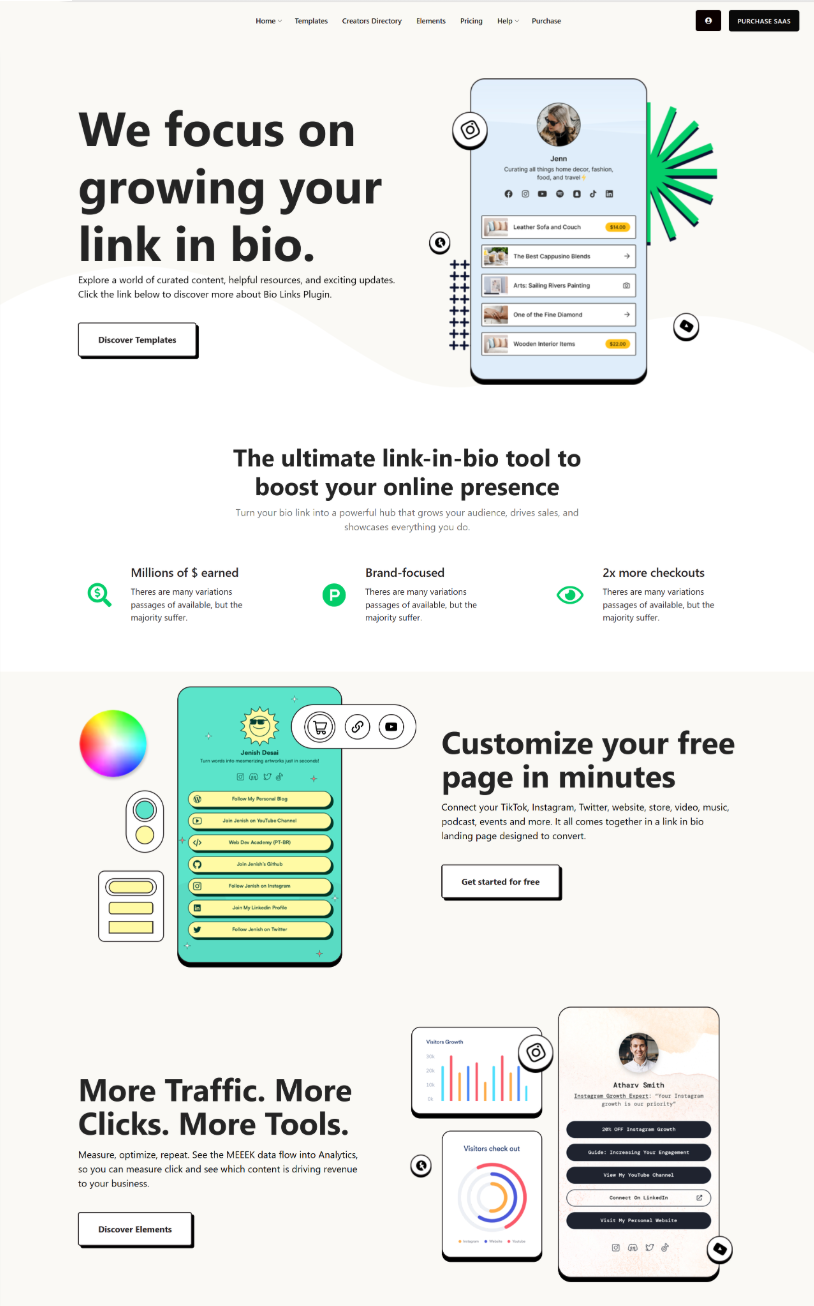
- Shopify
- QuickBooks
- Trello
- HubSpot
- Monday
- Square
They are fast to set up and cheaper at the start.
Pros:
- Low upfront cost
- Quick installation
- Frequent updates
- General support
Cons:
- Limited customization
- Features you don’t need
- Missing features you do need
- Monthly subscription fees
- Can’t scale with your business
Many businesses eventually outgrow these tools.
2. What Is Custom Software?
Custom software is built specifically for your business — designed around your workflow, your needs, and your growth.
Examples include:
- Custom CRMs
- Inventory systems
- Client portals
- Booking systems
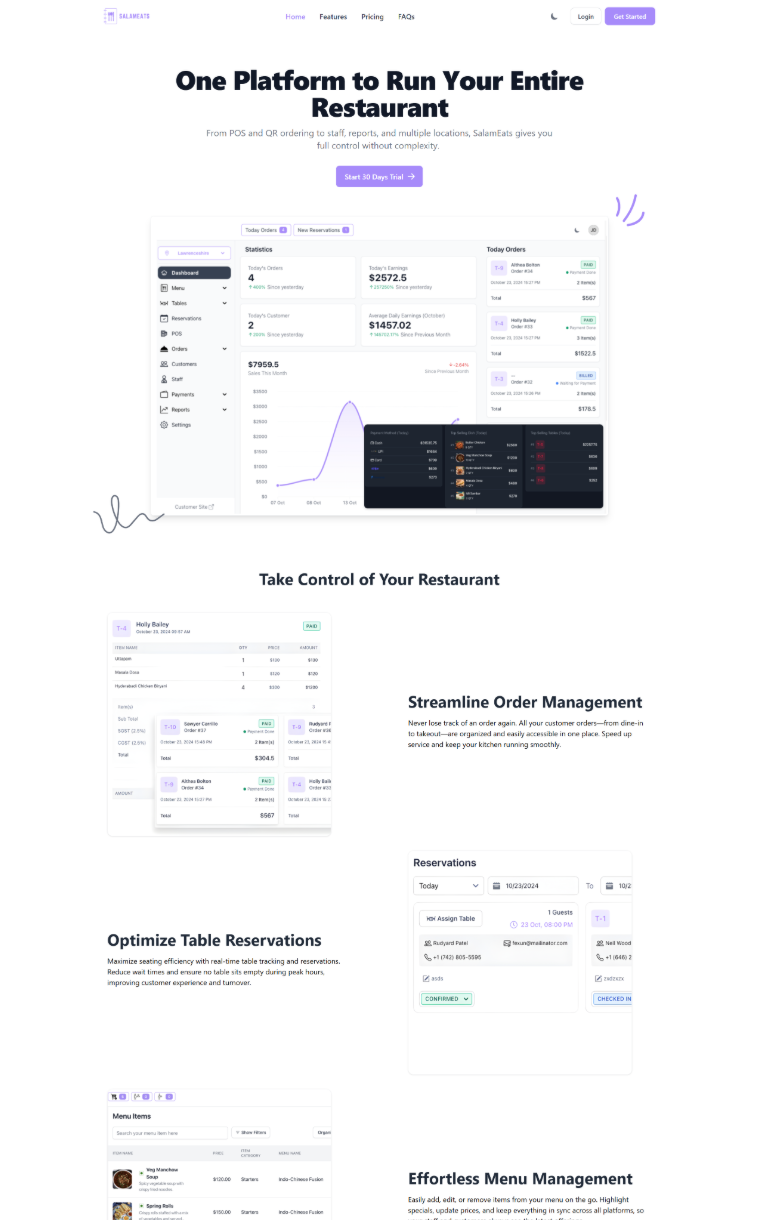
- Multi-tenant SaaS platforms
- Internal operations tools
Pros:
- 100% tailored to your business
- No unnecessary features
- Full control over functionality
- Scalable as you grow
- Competitive advantage
- Integrates seamlessly with existing tools
Cons:
- Higher upfront investment
- Requires a development partner
- Maintenance needed over time
For businesses ready to scale, custom software becomes an asset, not an expense.
3. Which One Is Better for Your Business?
Choose off-the-shelf if:
- You need something fast
- Your operations are simple
- Your team is small
- You have limited budget
Choose custom software if:
- You want automation and efficiency
- You have complex workflows
- You’re scaling quickly
- You want a unique competitive advantage
- You are tired of juggling too many tools
Once businesses hit a certain level, custom tools pay for themselves by saving hours of work every week.
4. Why 2025 Is the Turning Point for Custom Software
Businesses are now embracing automation and digital systems at a massive scale.
Customers expect speed, precision, and consistency in every interaction.
Custom platforms allow you to:
- Automate operations
- Track leads and customers
- Manage bookings and calendars
- Integrate payments
- Build dashboards
- Create mobile apps
- Reduce labor costs
- Eliminate bottlenecks
In short:
Custom software gives you capabilities your competitors don’t have.
5. How Salampedia Builds Custom Platforms
Salampedia specializes in:
- Business automation platforms
- Client portals
- Web-based SaaS systems
- Internal operations tools
- E-commerce platforms
- Custom API integrations
- Mobile-friendly dashboard systems
We build systems that solve real business problems — not cookie-cutter templates.
Every platform is:
- Custom designed
- Intuitive
- Scale-ready
- Secure
- Optimized for performance
Your software becomes a competitive advantage instead of a patchwork of temporary fixes.
Conclusion
Off-the-shelf tools are helpful in the beginning.
But for serious businesses that want to scale, automate, and operate efficiently, custom software is the future.
If your business is hitting limitations with your current tools, it might be time to build something designed exclusively for you.